

Fire Prevention
Click on a link below to jump to a fire prevention topic.
COOKING
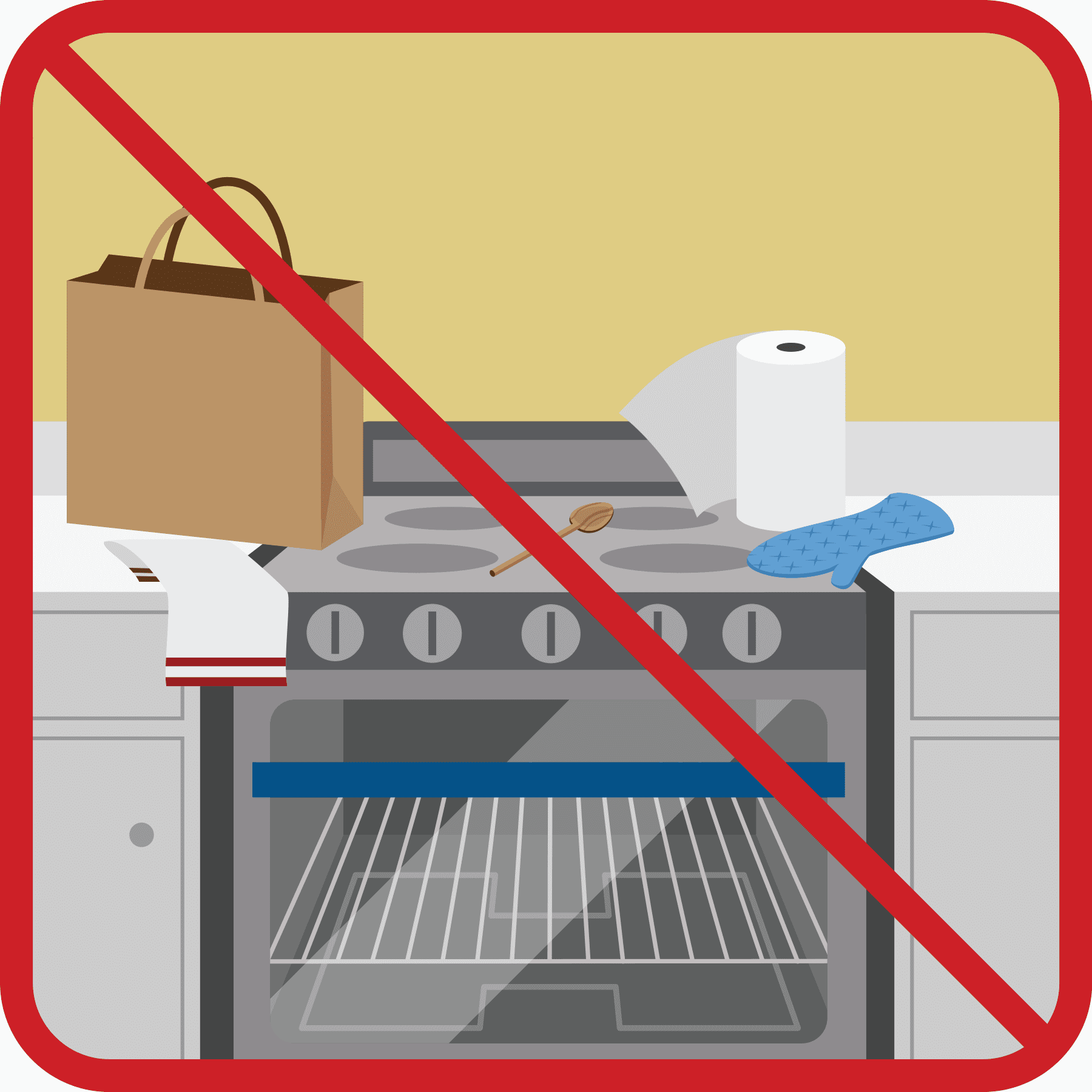
Keep anything that can catch fire - paper towels, oven mitts, wooden utensils, food packaging, towels, and curtains - away from your stove top.

Stay in the kitchen when you fry, boil, grill or broil food.

If you have a fire in your oven and the flames escape the oven, leave your home and call 911.

Clean cooking equipment after each use. Crumbs in a toaster or grease on the stove can catch on fire.
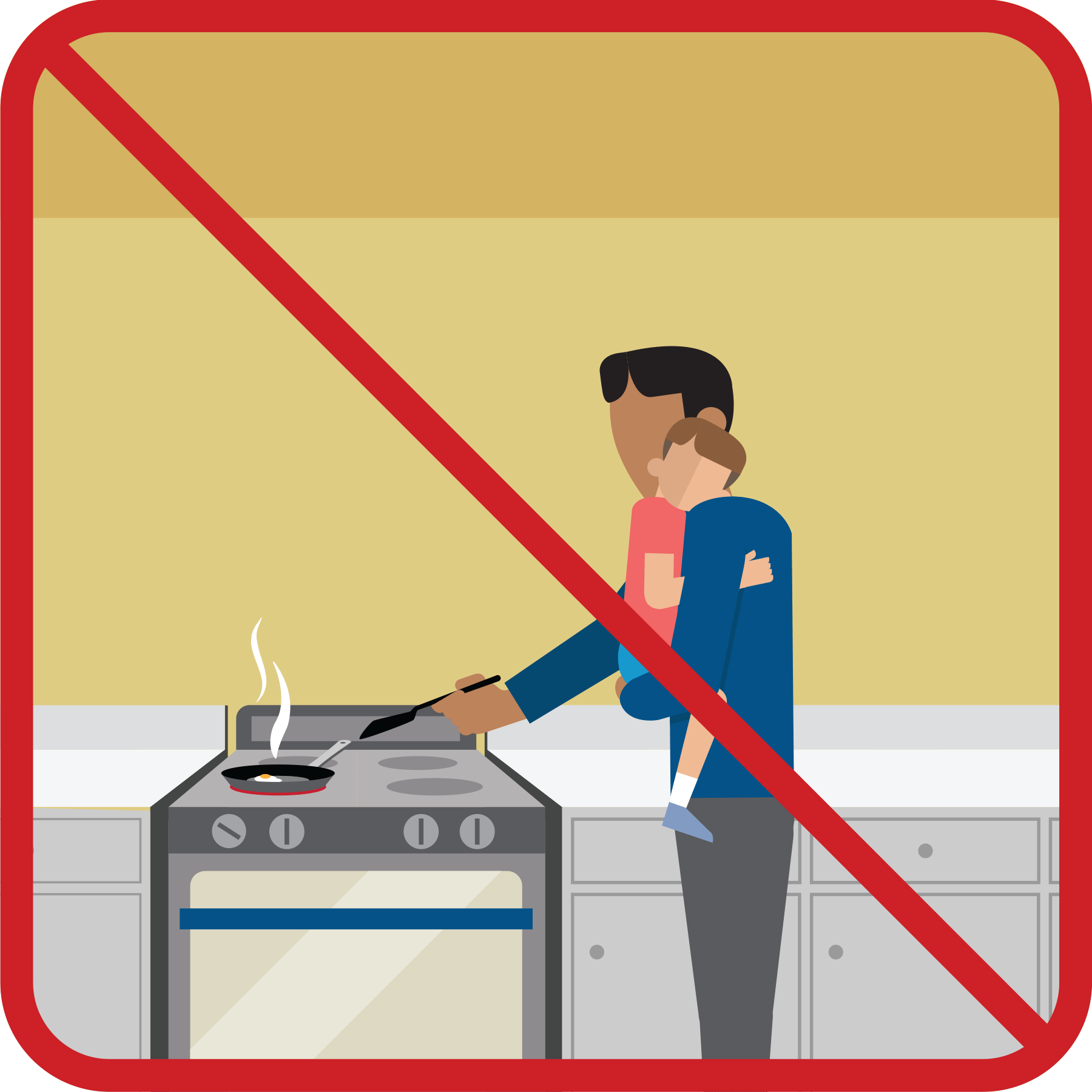
Never hold a child while you are cooking or carrying hot liquids.
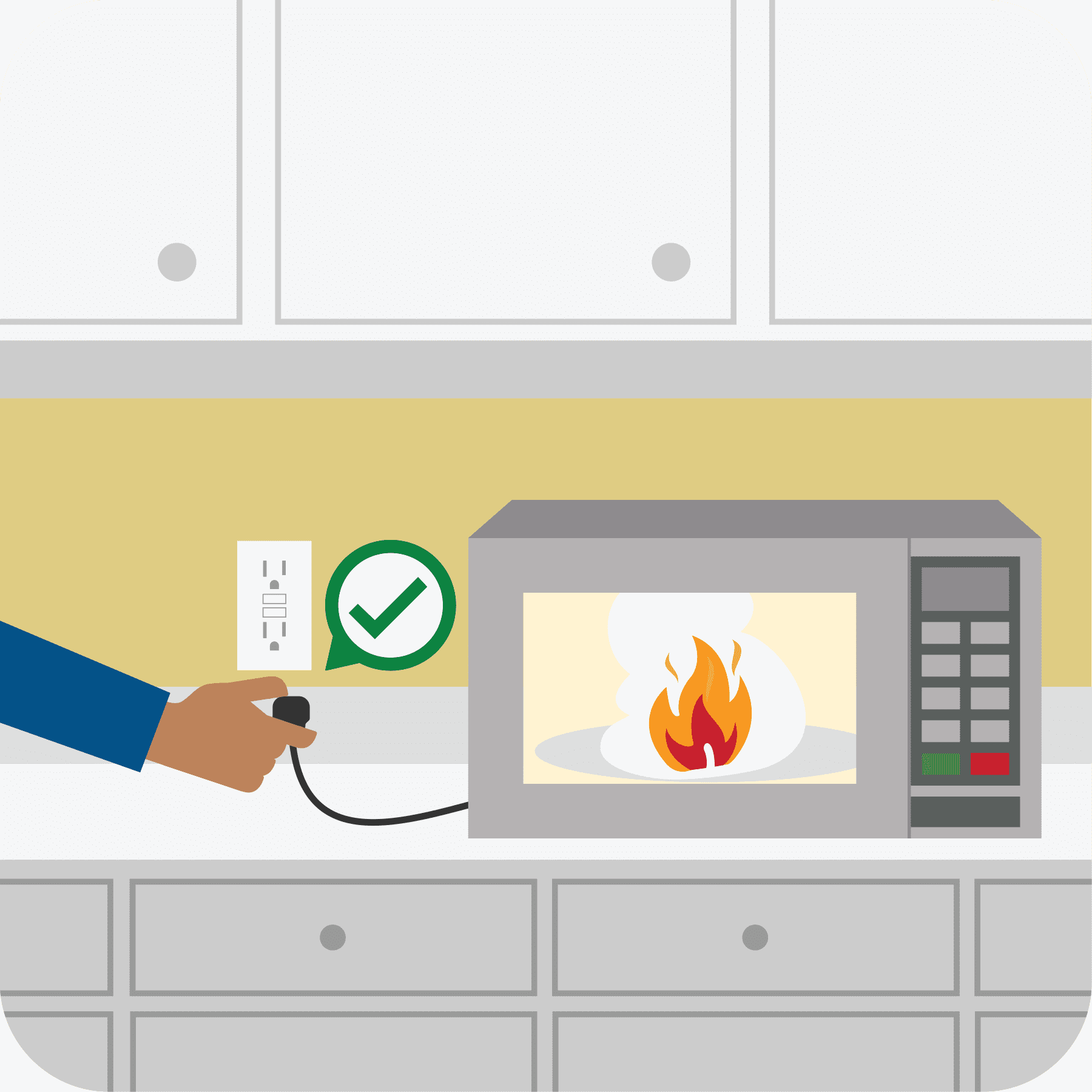
If you have a fire in your microwave oven, turn it off immediately. Never open the door until the fire is out.
APPLIANCES AND ELECTRICAL
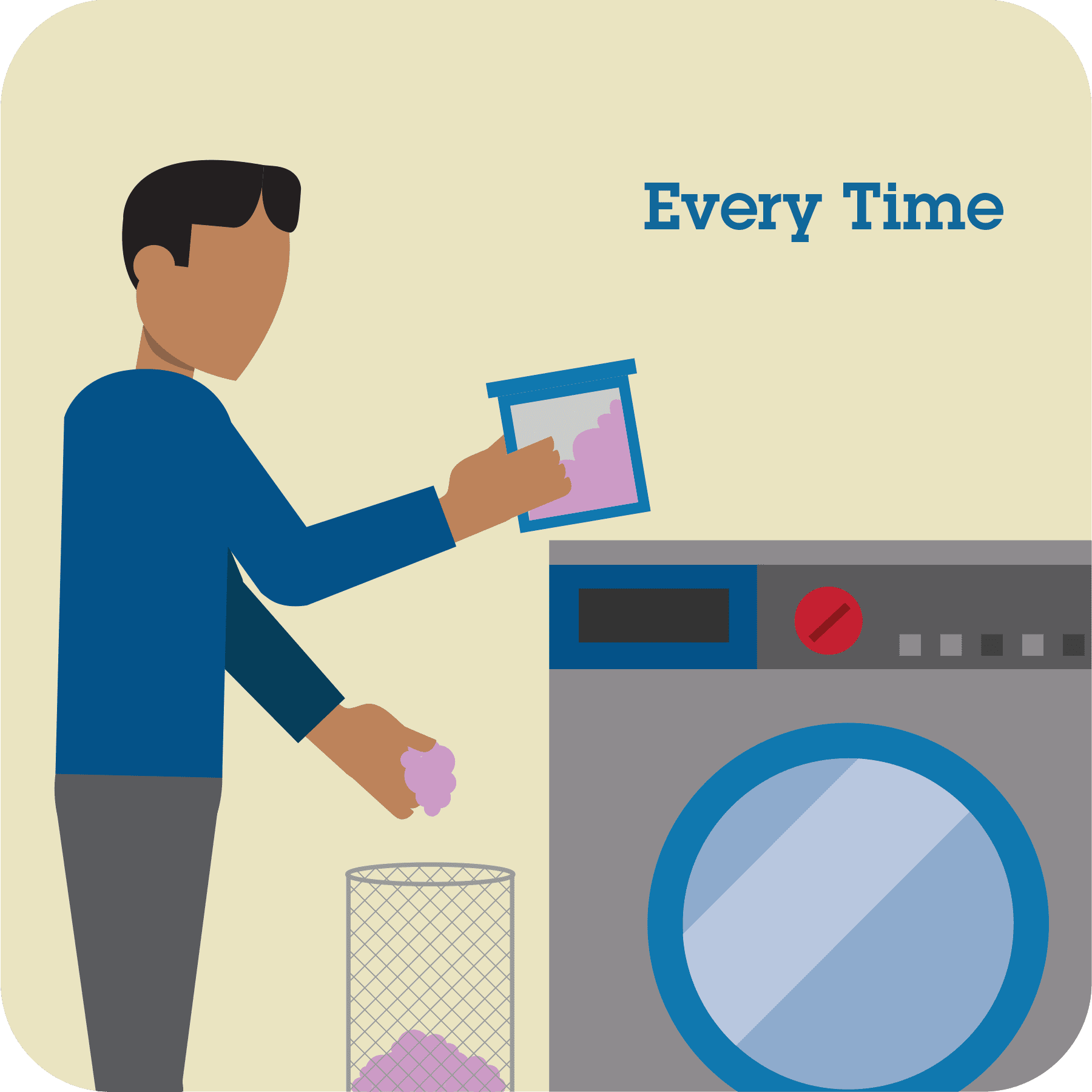
Clean out the lint filter before you use your dryer.
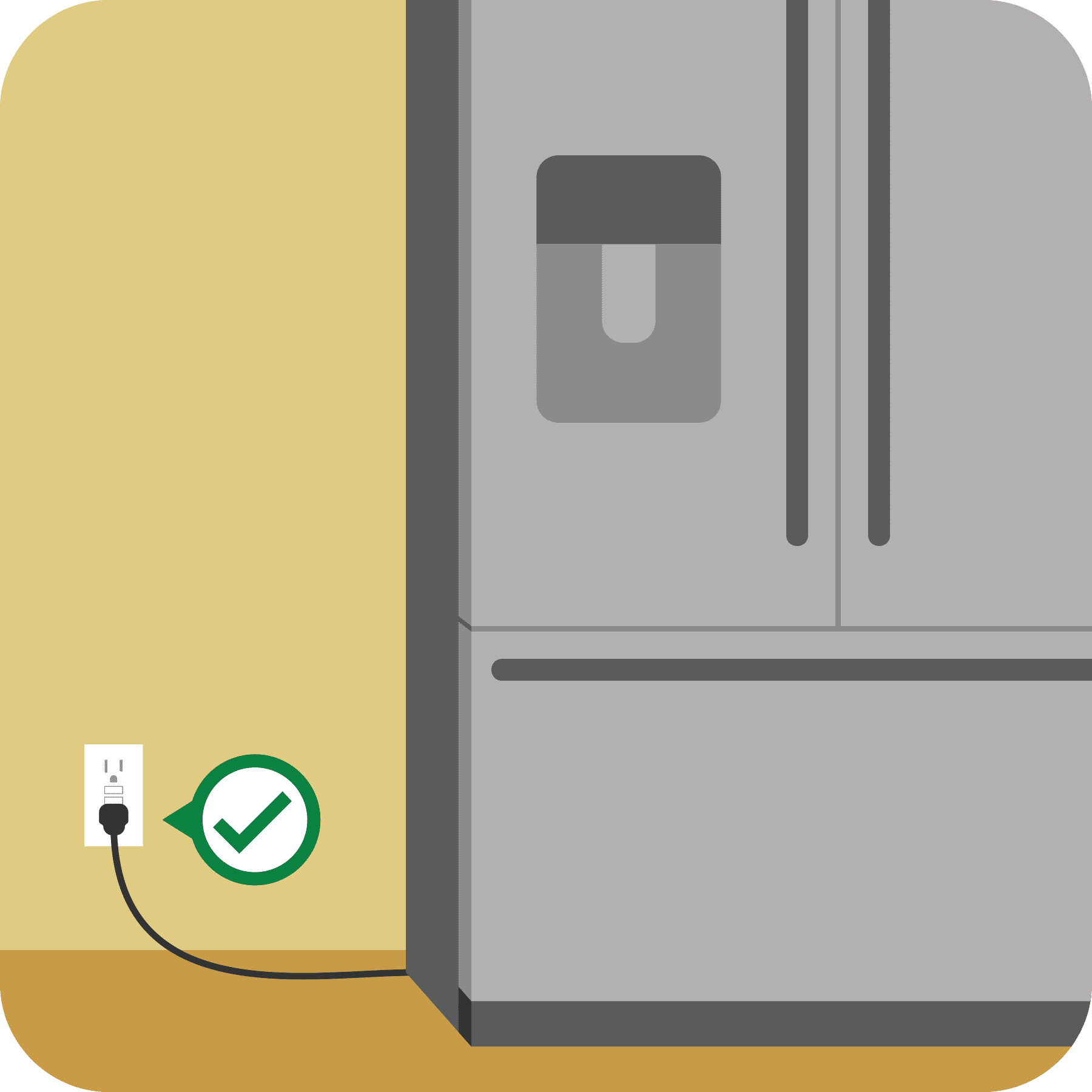
Major appliances should be plugged directly into a wall outlet. Never use an extension cord with a major appliance – it can easily overheat and start a fire.
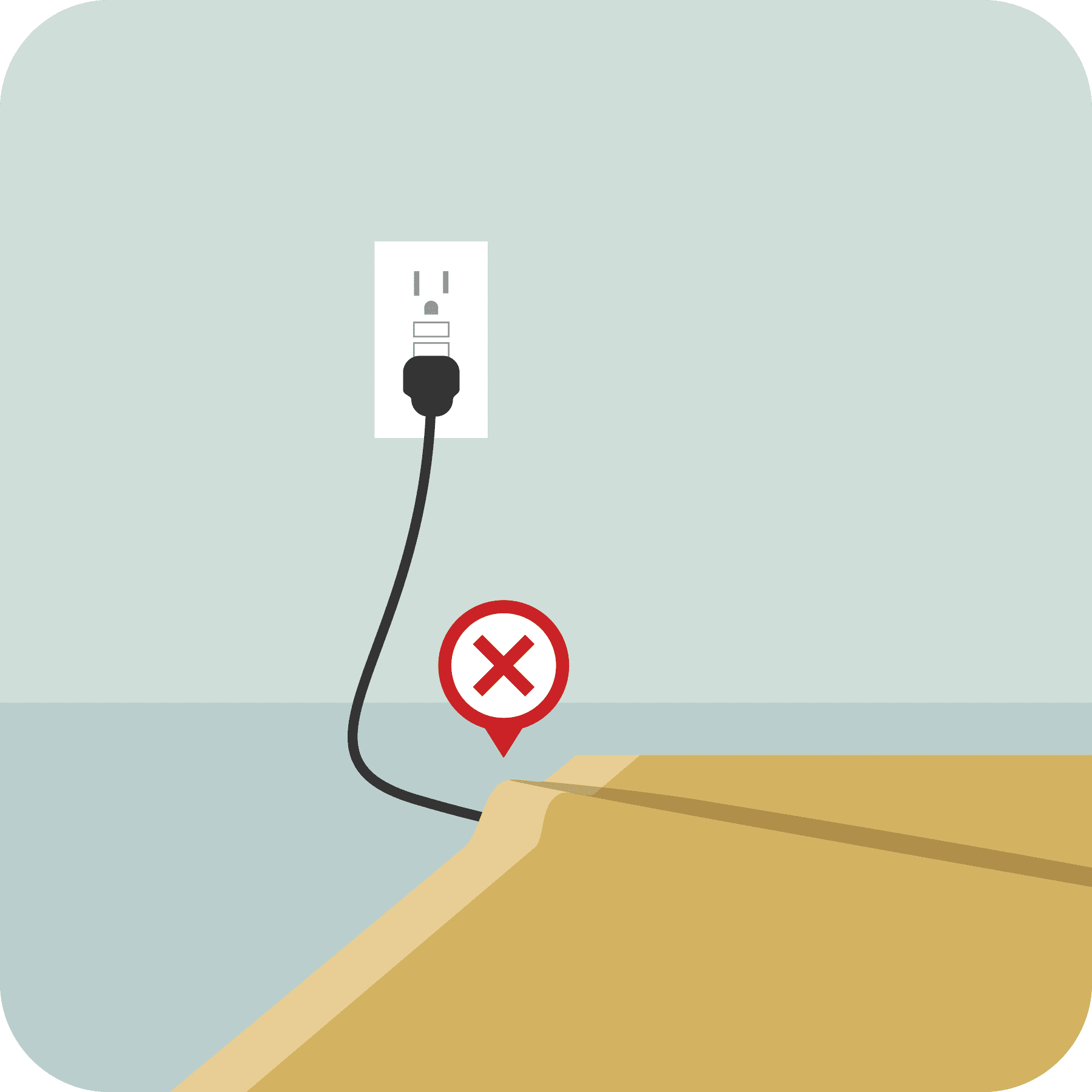
Avoid putting cords under rugs and carpets, across doorways, or where they can be damaged or frayed by furniture.
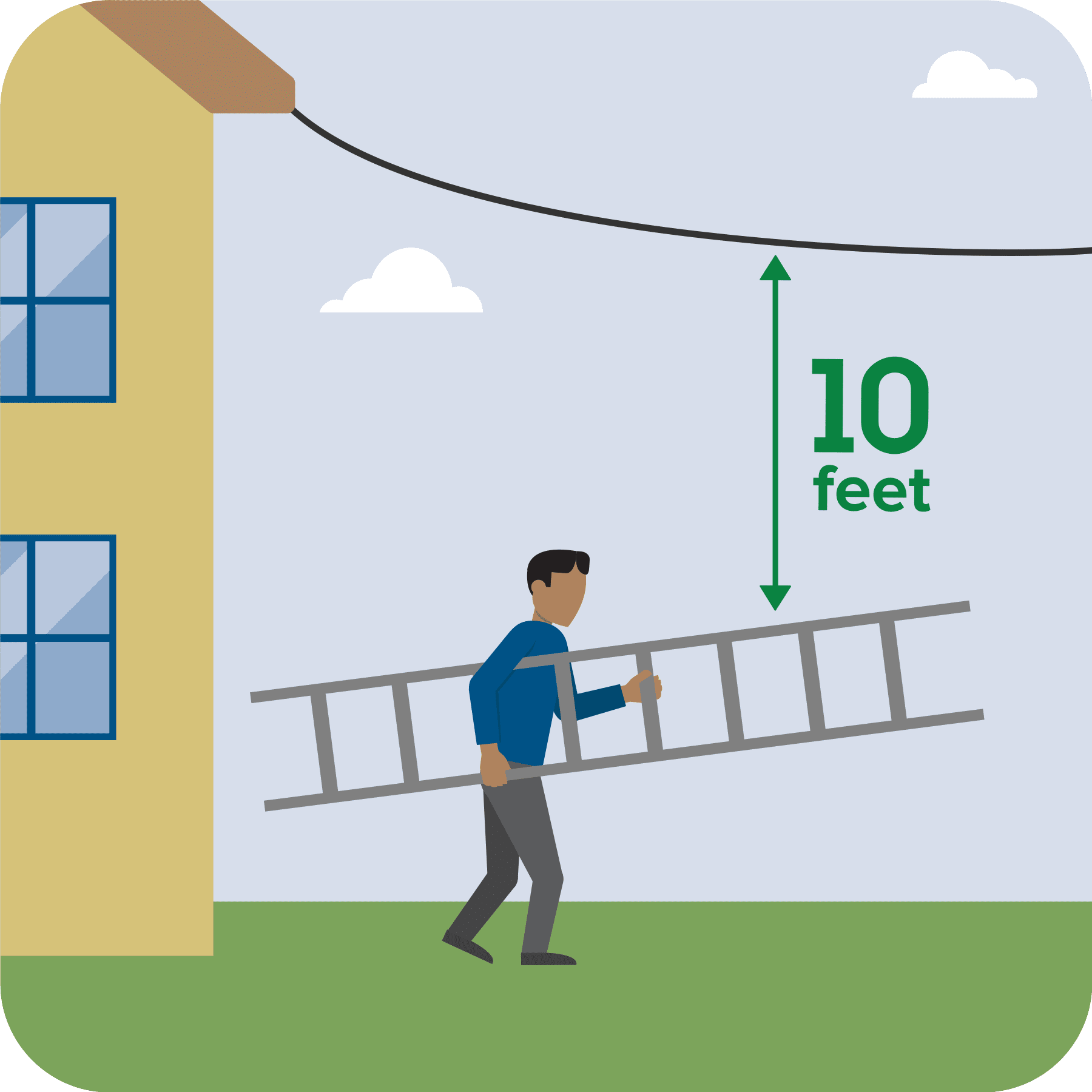
Keep ladders at least 10 feet away from overhead power lines.
CANDLES
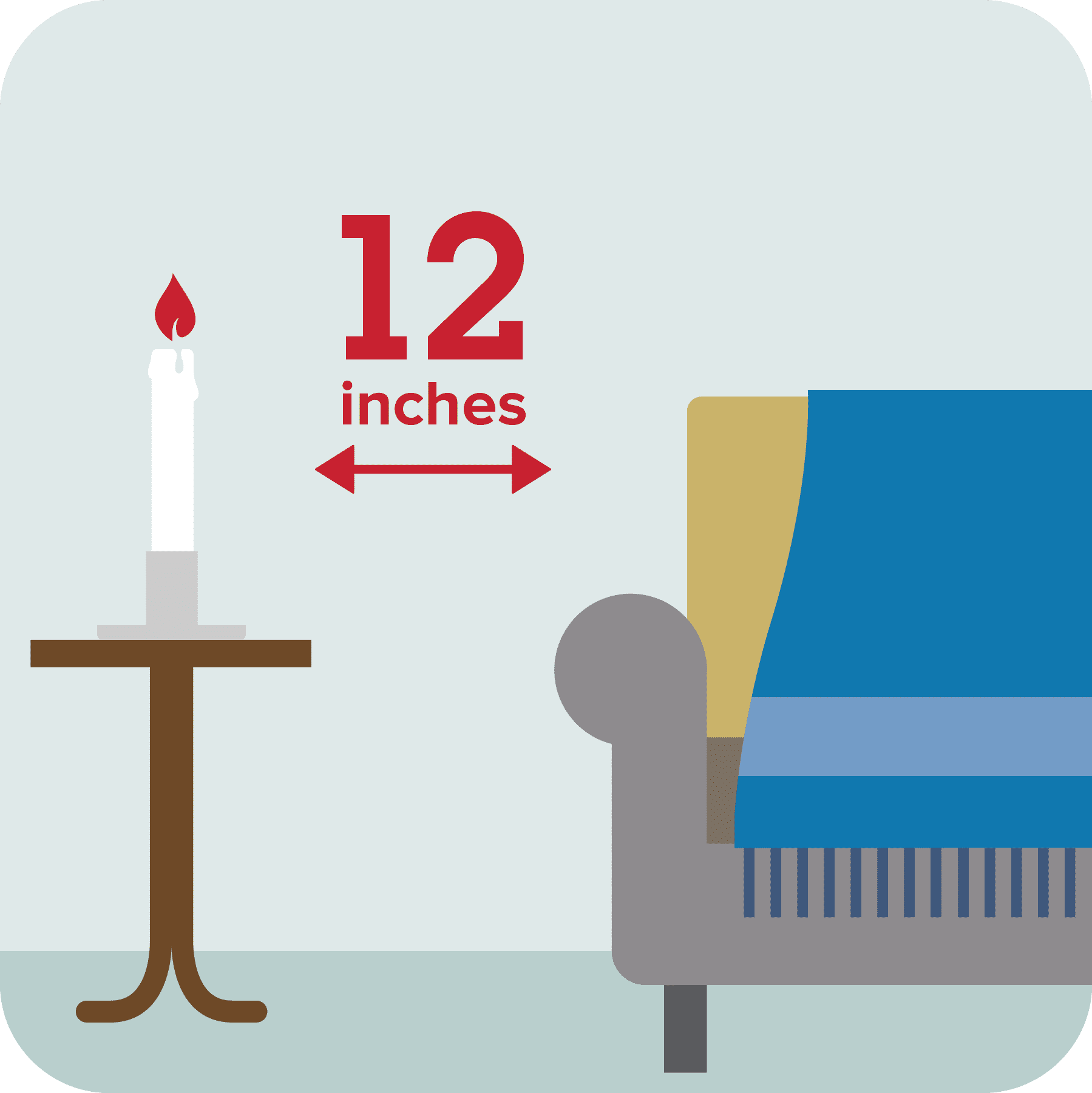
Keep lit candles at least 12 inches from anything that can burn.
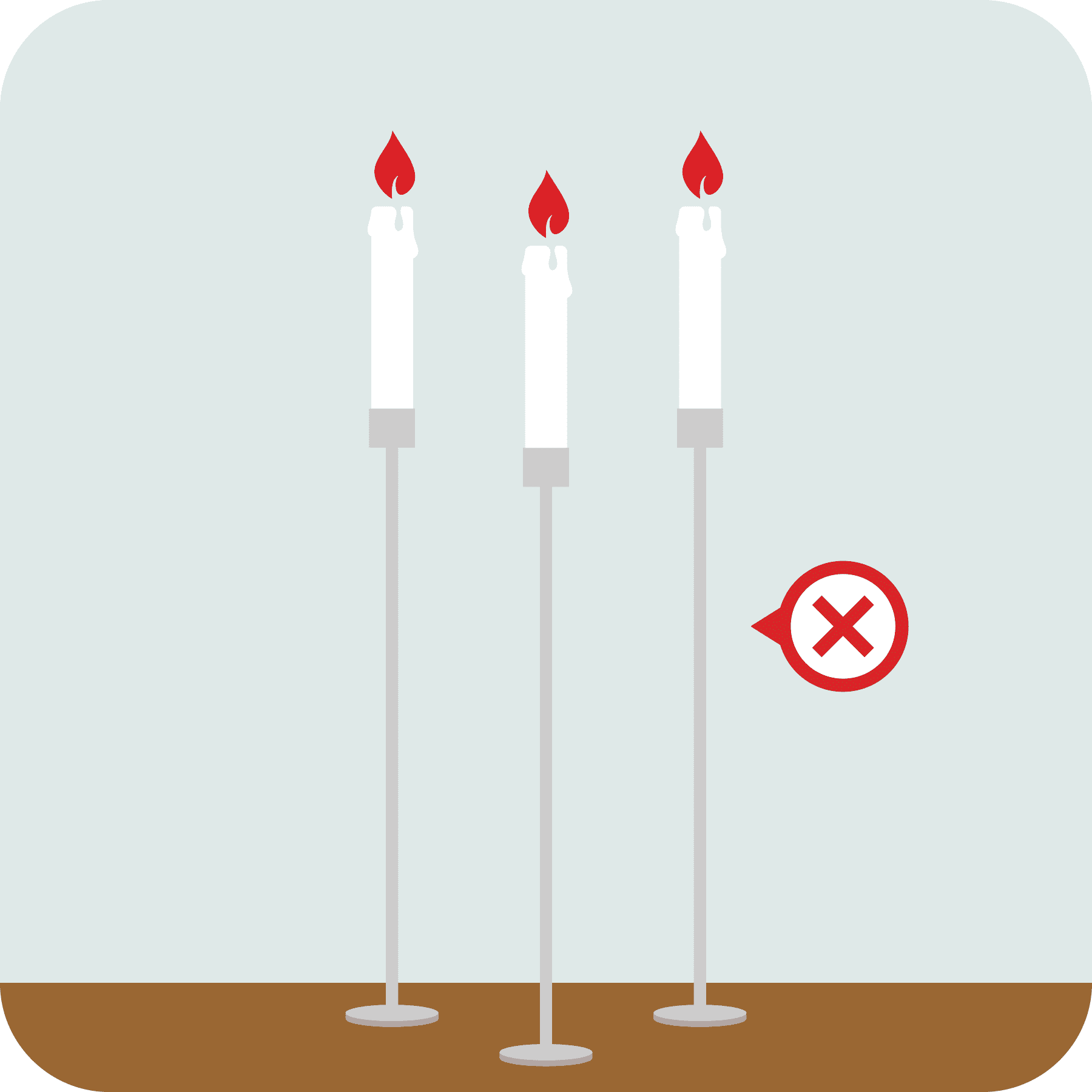
When you use candles, place them in a sturdy, safe candle holder that will not burn or tip over. Consider using battery-operated flameless candles.
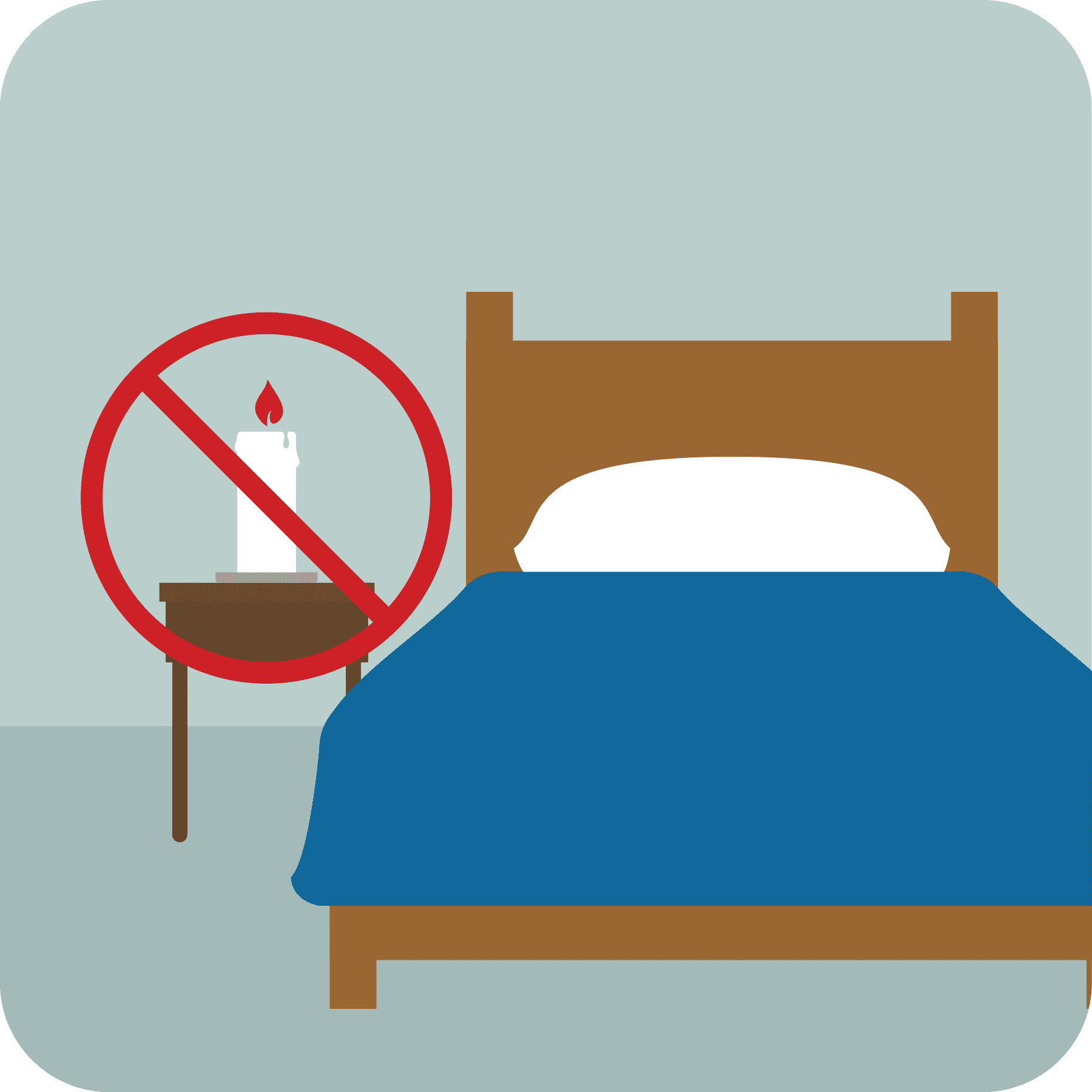
Don't use lit candles in bedrooms, bathrooms and sleeping areas. Blow them out when you leave a room or home, or when you go to bed.
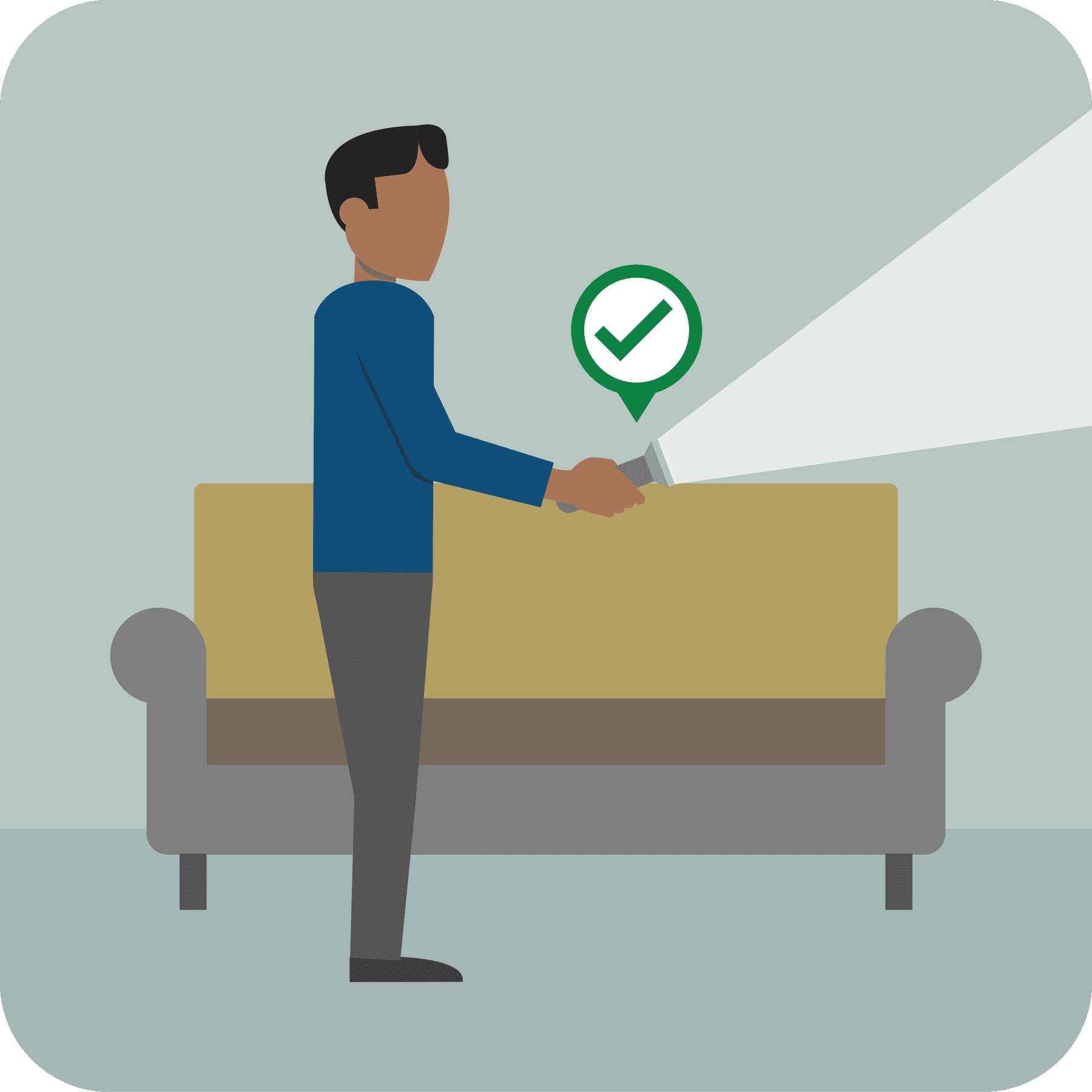
Use flashlights, not candles if you have a power outage.
HEATING
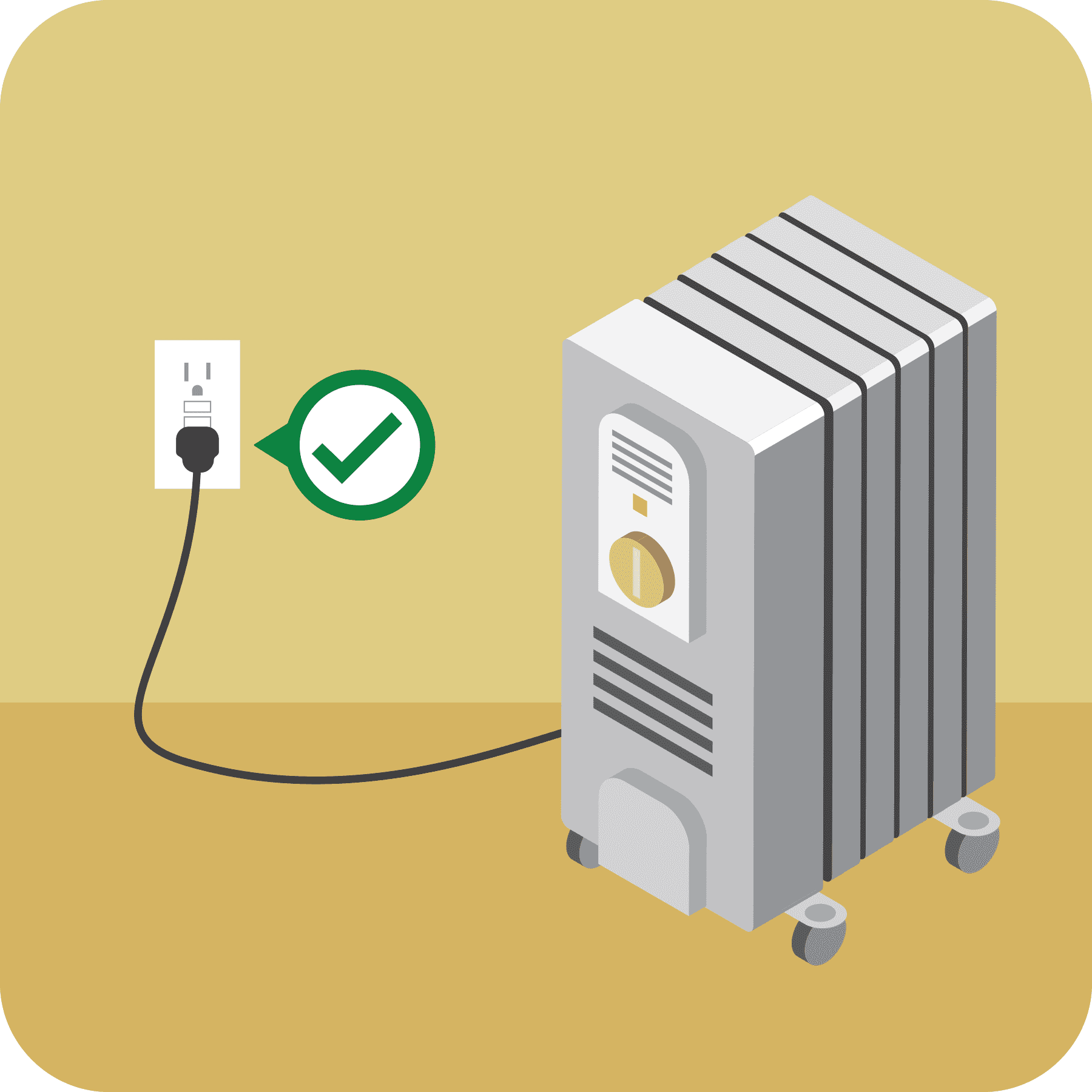
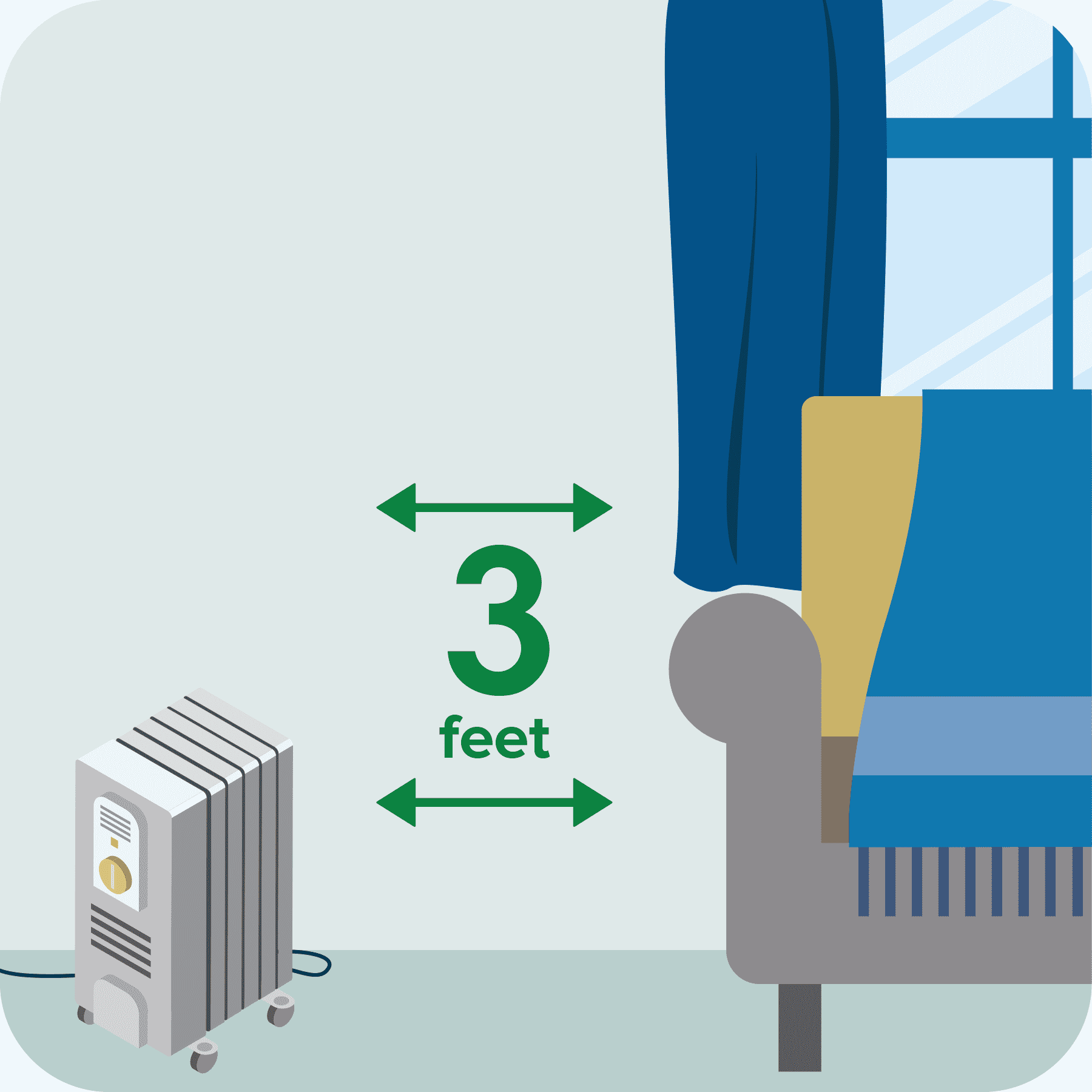
Place space heaters on a solid, flat surface and keep them and their electrical cords from things that can burn.
When you use candles, place them in a sturdy, safe candle holder that will not burn or tip over. Consider using battery-operated flameless candles.
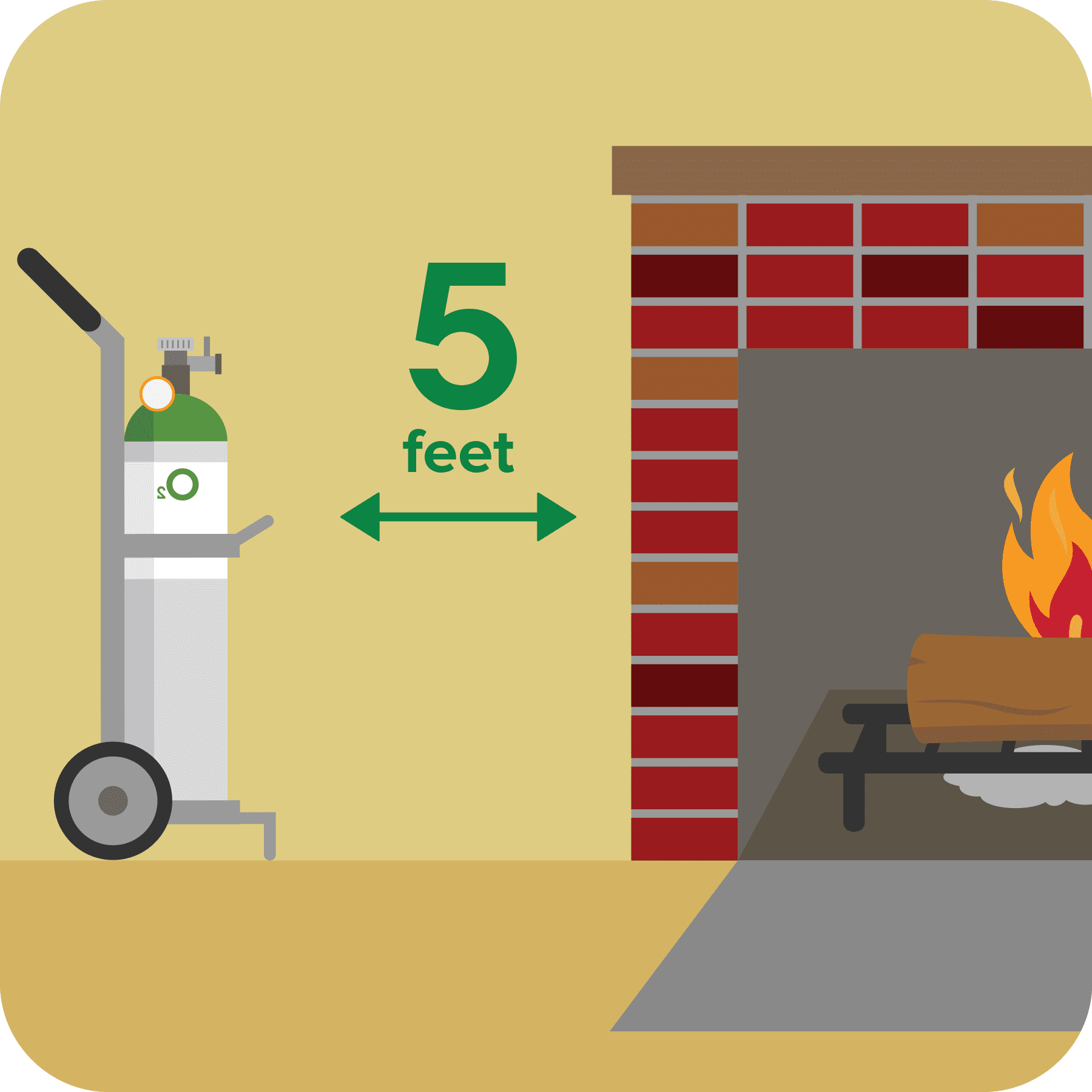
Keep oxygen tanks at least 5 feet from a heat source, open flames or electrical devices. Never use a candle, match, lighter or other open flame near medical oxygen.
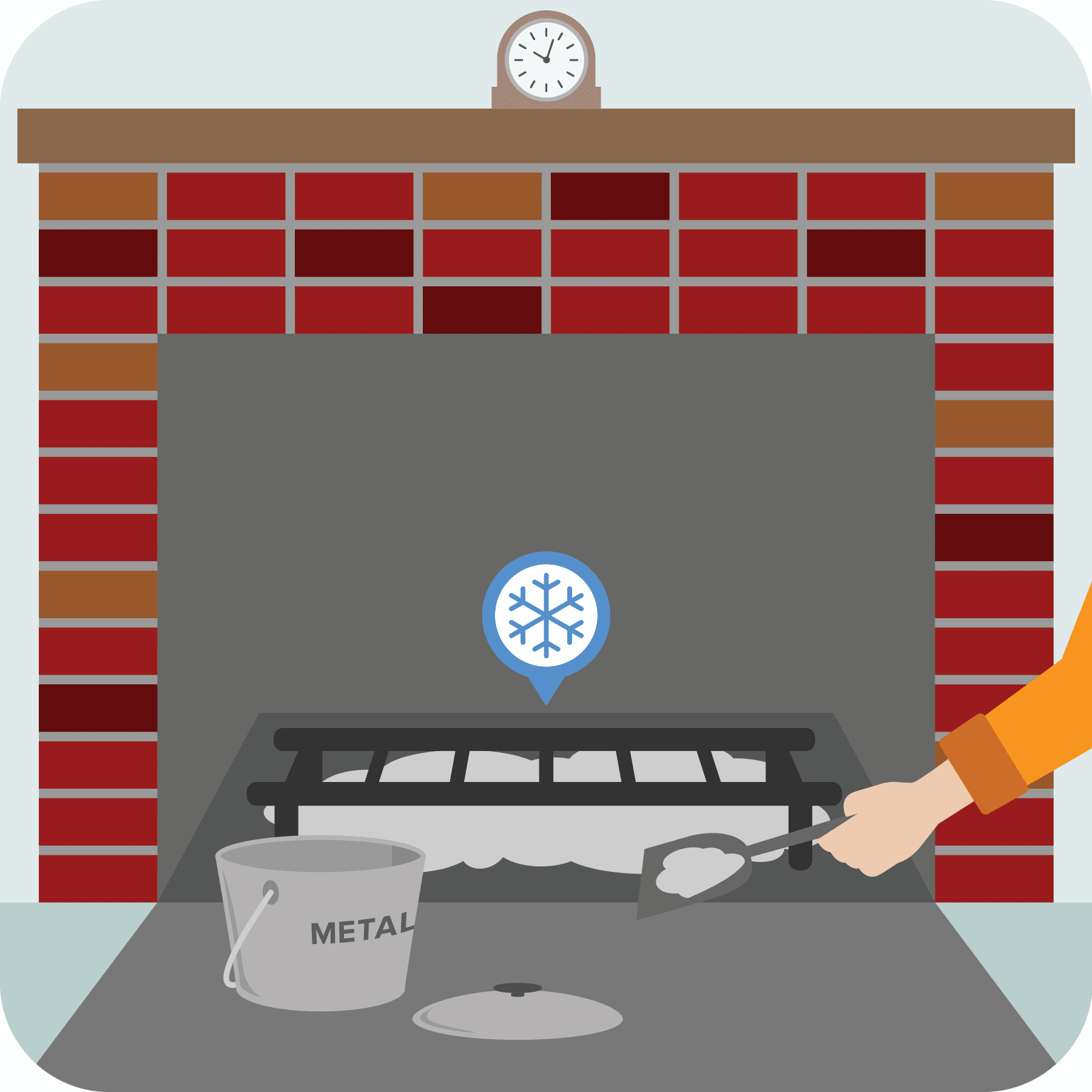
Allow ashes to cool before disposing of them. Place ashes in a tightly covered metal container and keep the ash container at least 10 feet away from any buildings. Never empty the ashes directly into a trash can. Pour water on the ashes
SMOKE DETECTORS
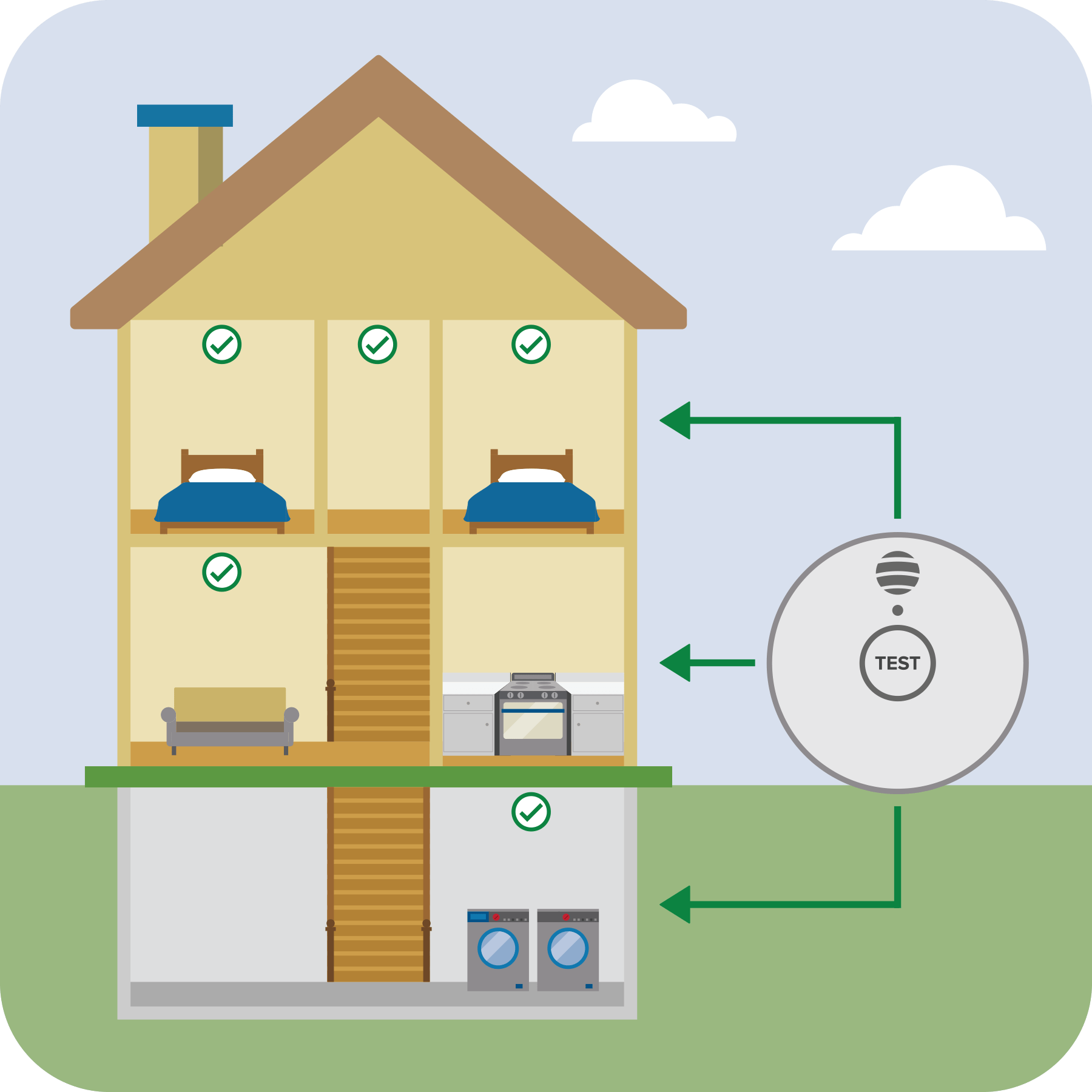
Have smoke alarms in every sleeping room, outside each separate sleeping area, and on every level of the home, including the basement.
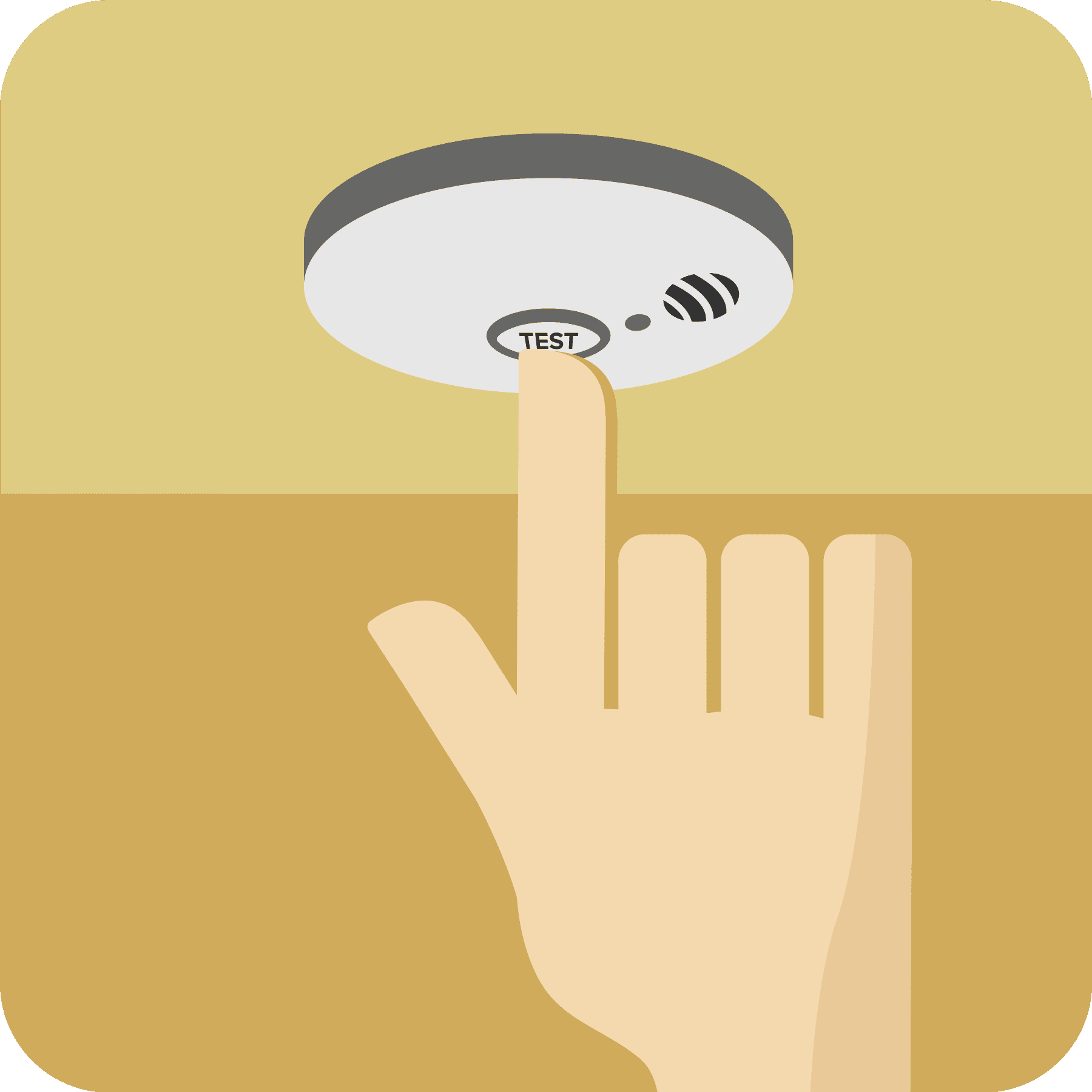
Test smoke alarms at least once a month using the test button.
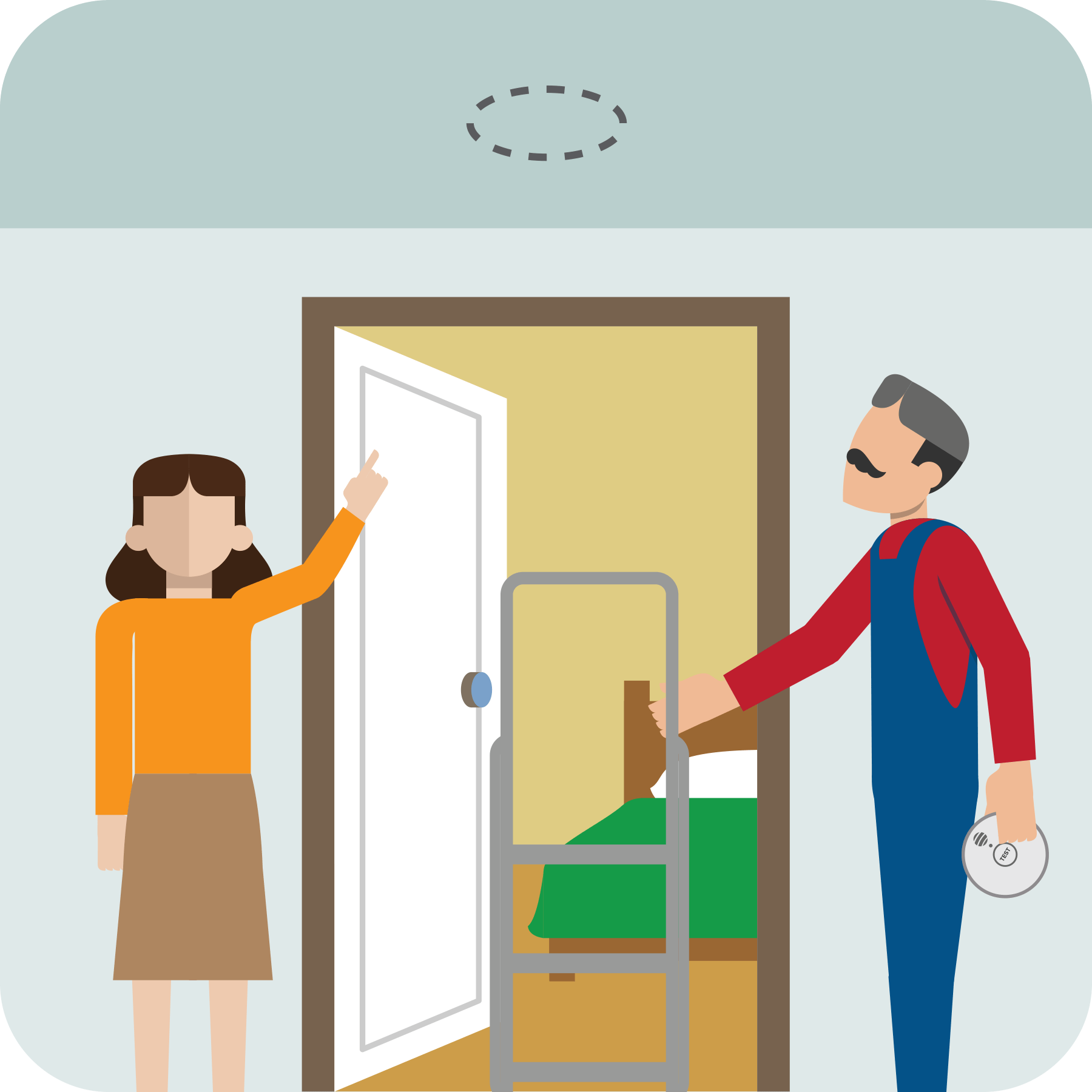
Look up to make sure you have smoke alarms in every sleeping room and outside each separate sleeping area. If you don’t have them, ask your landlord or rental agent to install them.

If needed, install smoke alarms and alert devices for people who are deaf or hard of hearing. Strobe lights flash when the smoke alarm sounds. The lights warn people of a possible fire

If needed, use a pillow or bed shaker to wake people who are deaf, so they can escape. The shaker is activated by the sound of the alarm
SMOKING
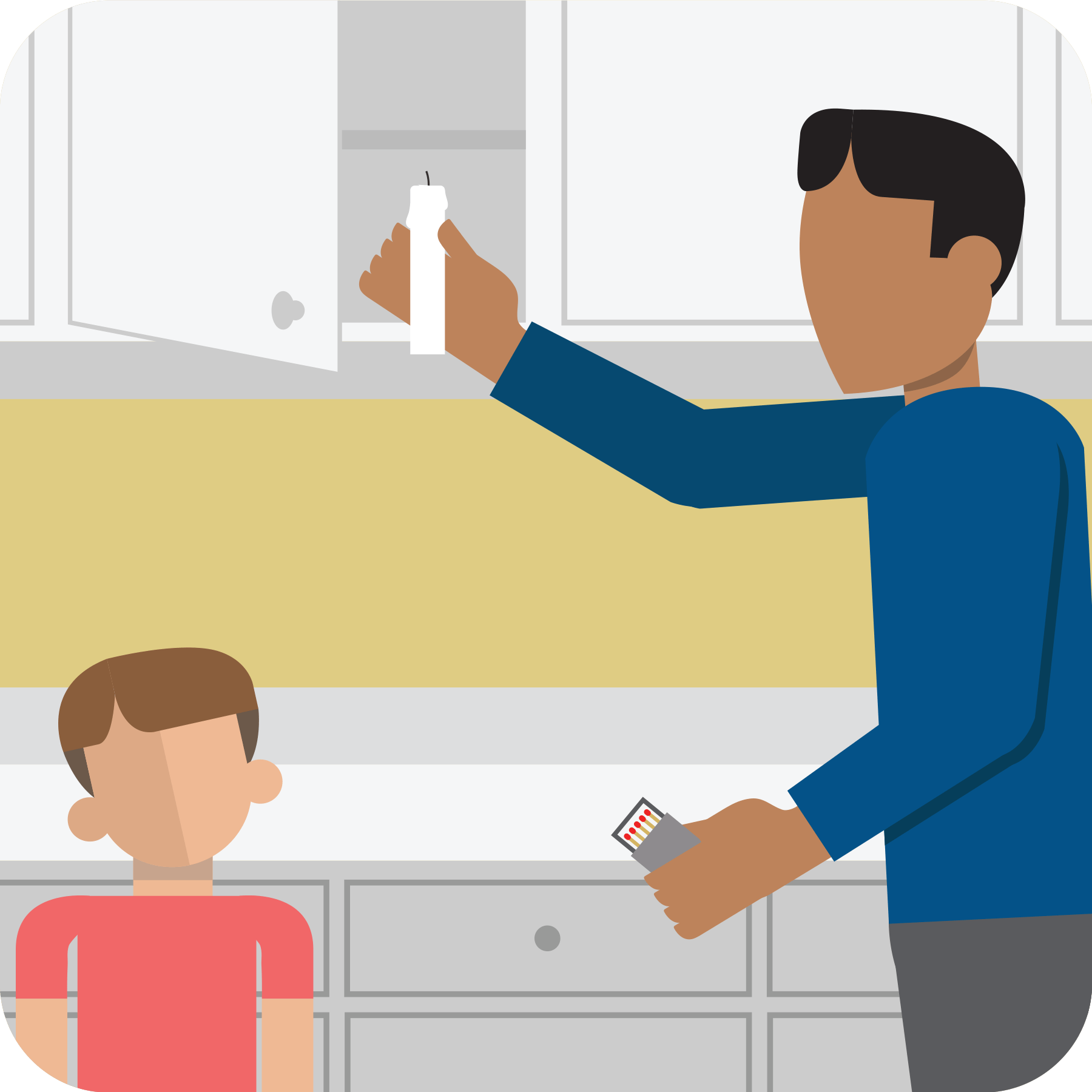
Keep cigarettes, lighters, matches and other smoking materials up high out of the reach of children, in a locked cabinet.

Do not throw cigarettes where they can easily catch fire: into bushes, plotted plants or landscaping, peat moss, dried grasses or mulch.

Don't smoke if you are sleepy or have drunk alcohol.

Don't smoke and use an oxygen tank.
HOLIDAYS

Inspect holiday lights each year before you put them on your tree. Throw away light strands with frayed or pinched wires.
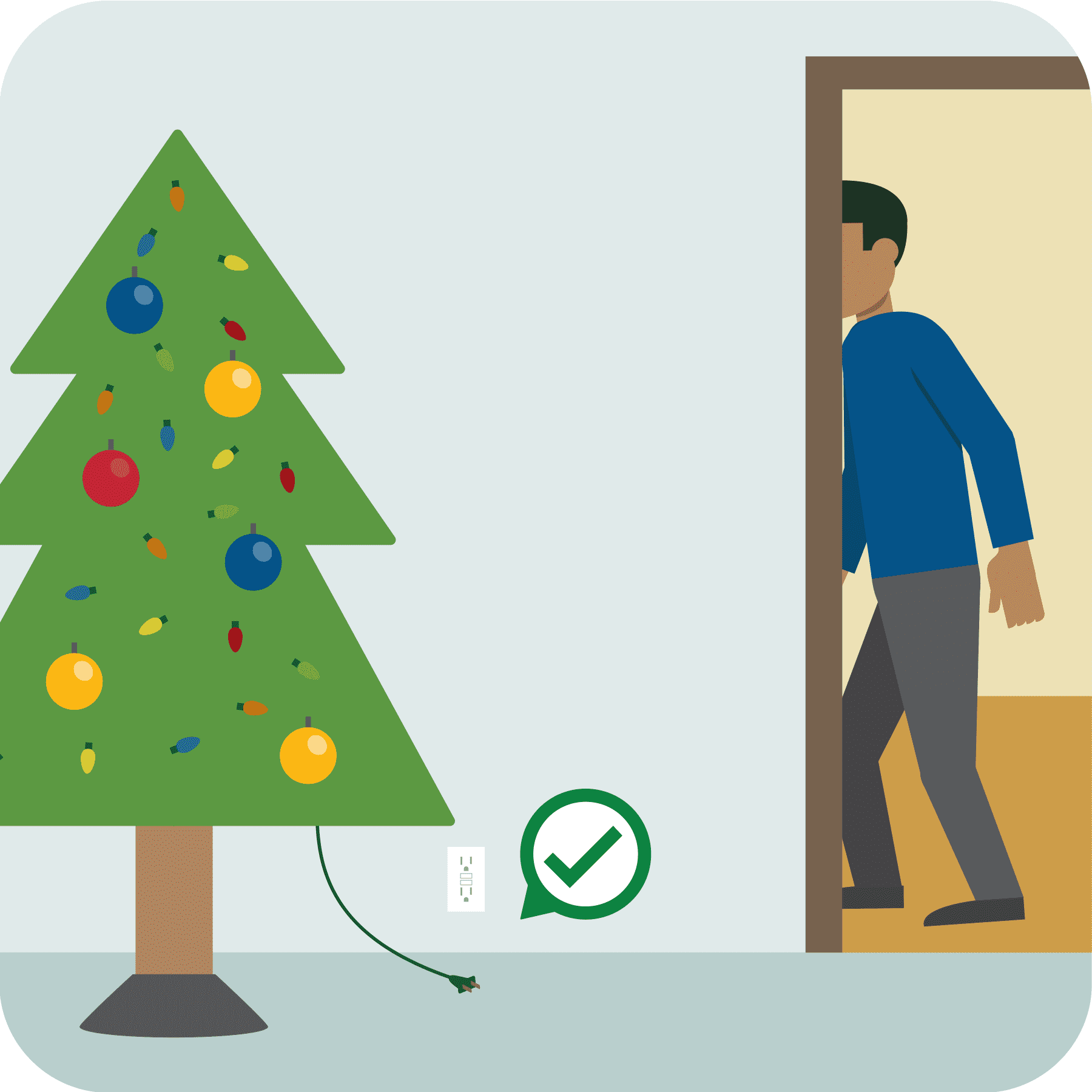
Always unplug Christmas tree lights before going to bed or leaving your home.
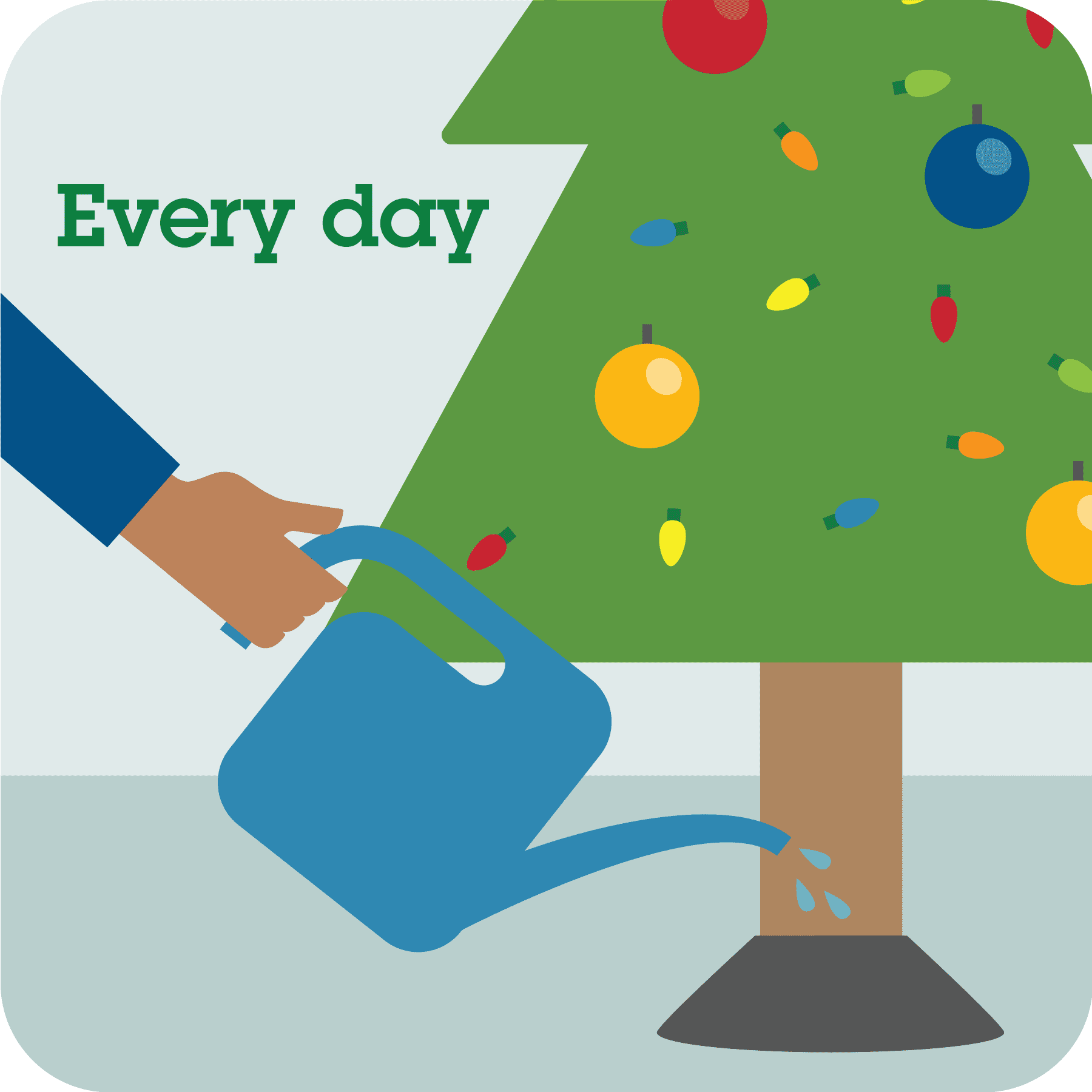
Water your Christmas tree every day.
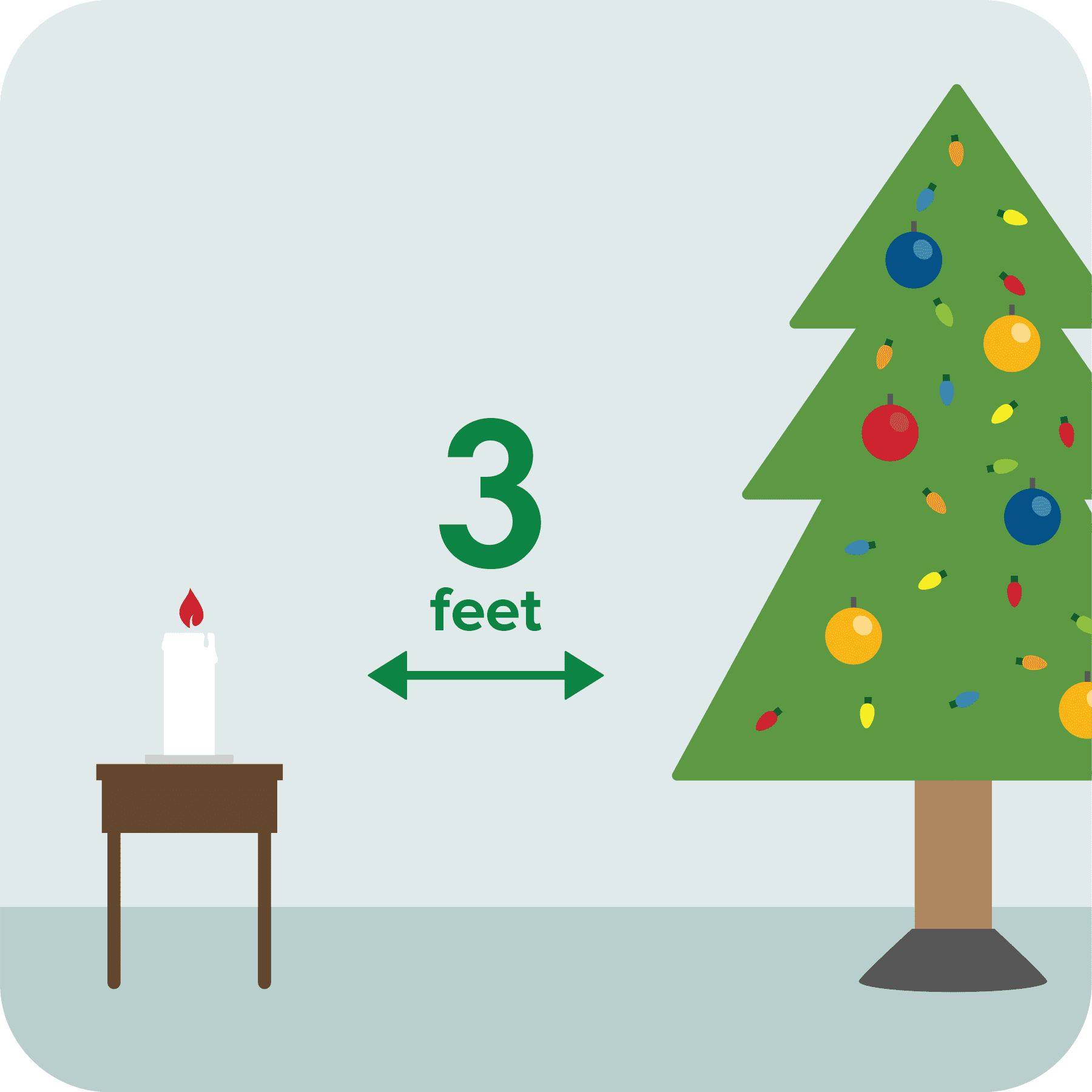
Keep candles at least 3 feet away from Christmas trees.
ESCAPE PLANS

Make a home escape plan. Draw a map of each level of your home. Show all doors and windows. Go to each room and point to the two ways out. Practice with everyone in your household.

Teach your children how to escape on their own in case you cannot help them. Make sure they can open windows, remove screens and unlock doors.
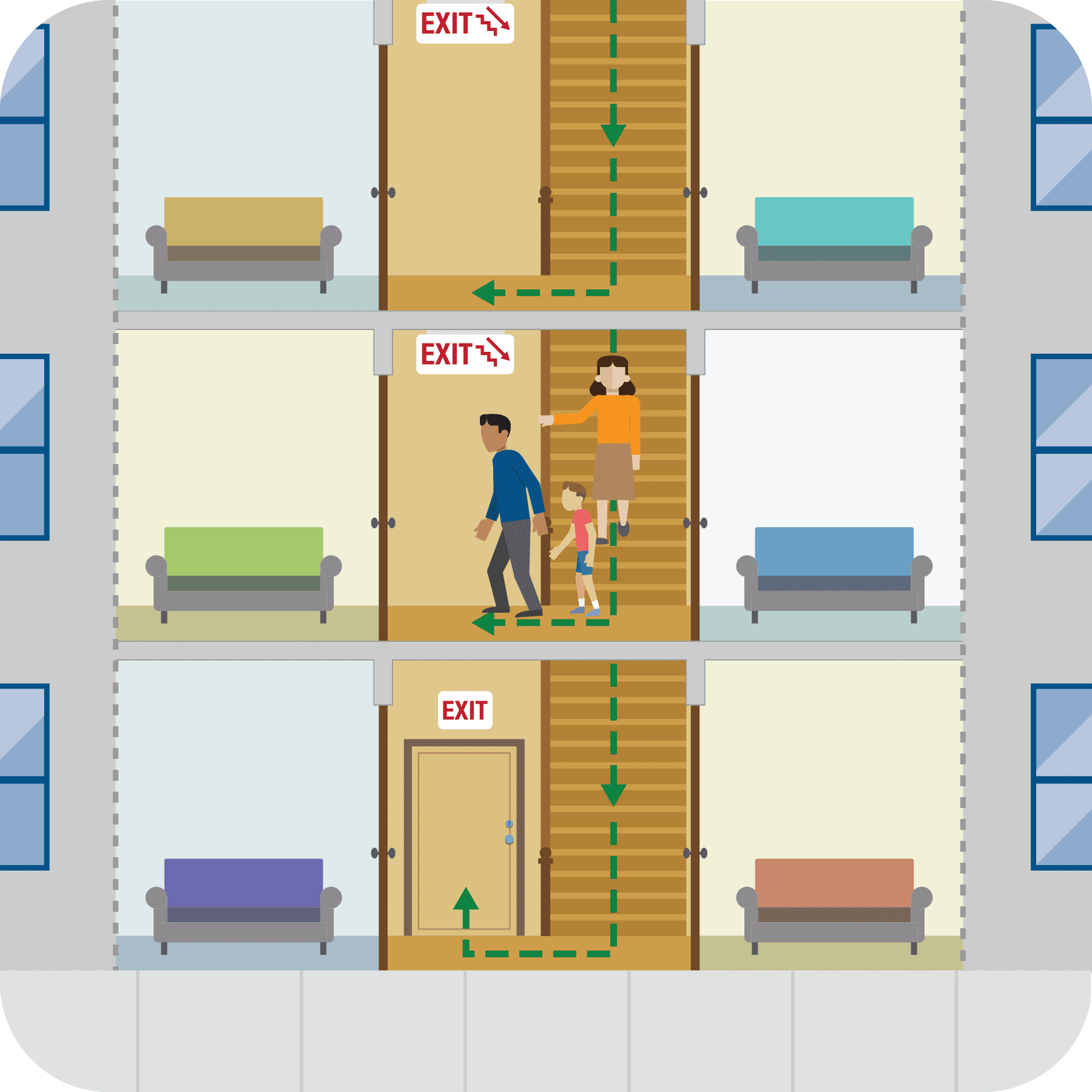
Learn your building’s emergency evacuation plan. Make a home escape plan that includes it. Go to each room and the building exits and point to the way out

Teach your children to use the stairs to escape, not the elevator. Practice using the exit stairs.

If you cannot get out, close the door and cover vents and cracks around the door with cloth to keep smoke out.

Practice what to do if the door feels cold vs hot. If hot Call 911. Place a cloth outside your window to let firefighters know you are still inside.
Images were provided by the U.S. Fire Administration.